One thought on “Biósfera Global / Núcleo Tropical”
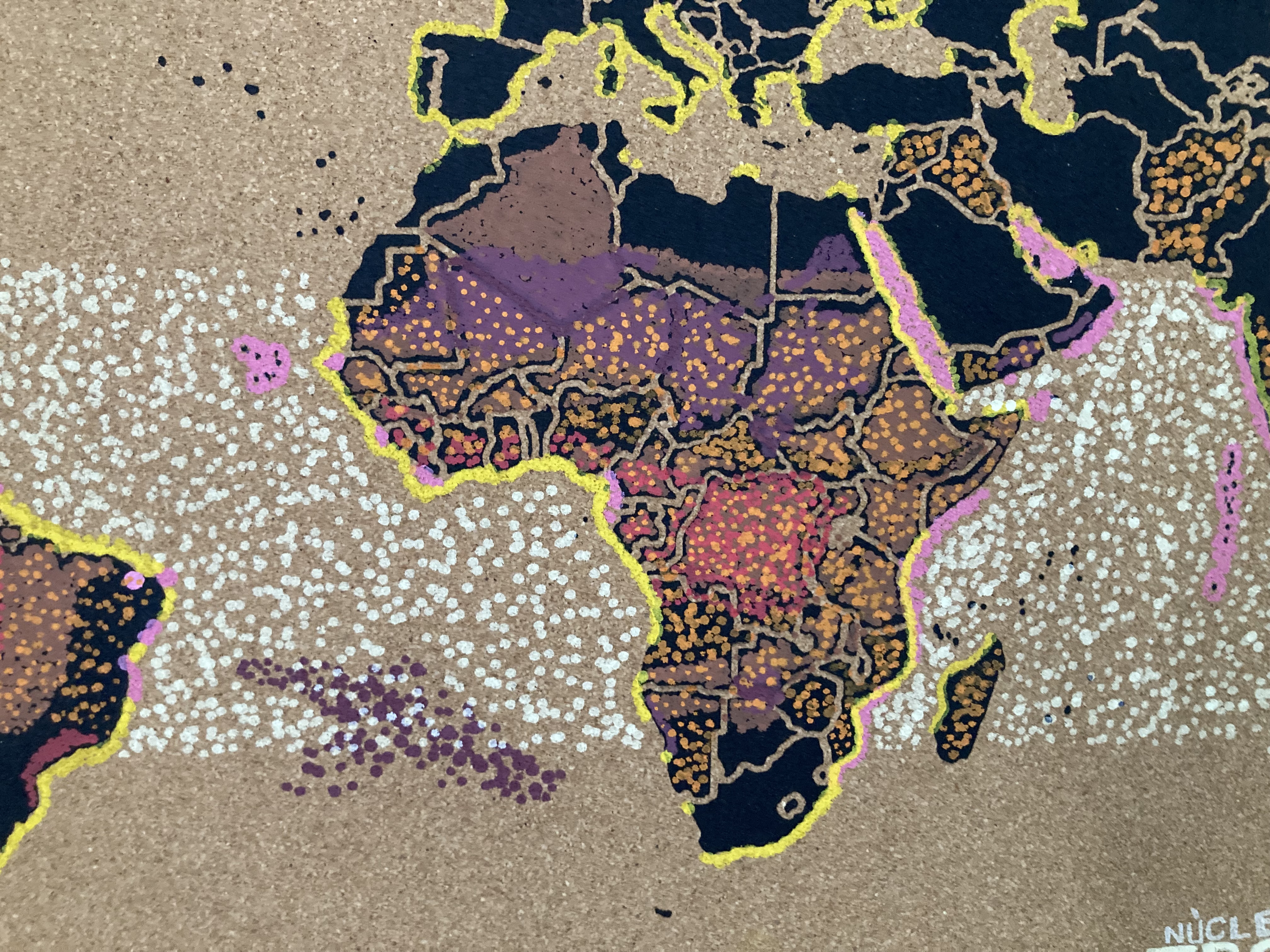
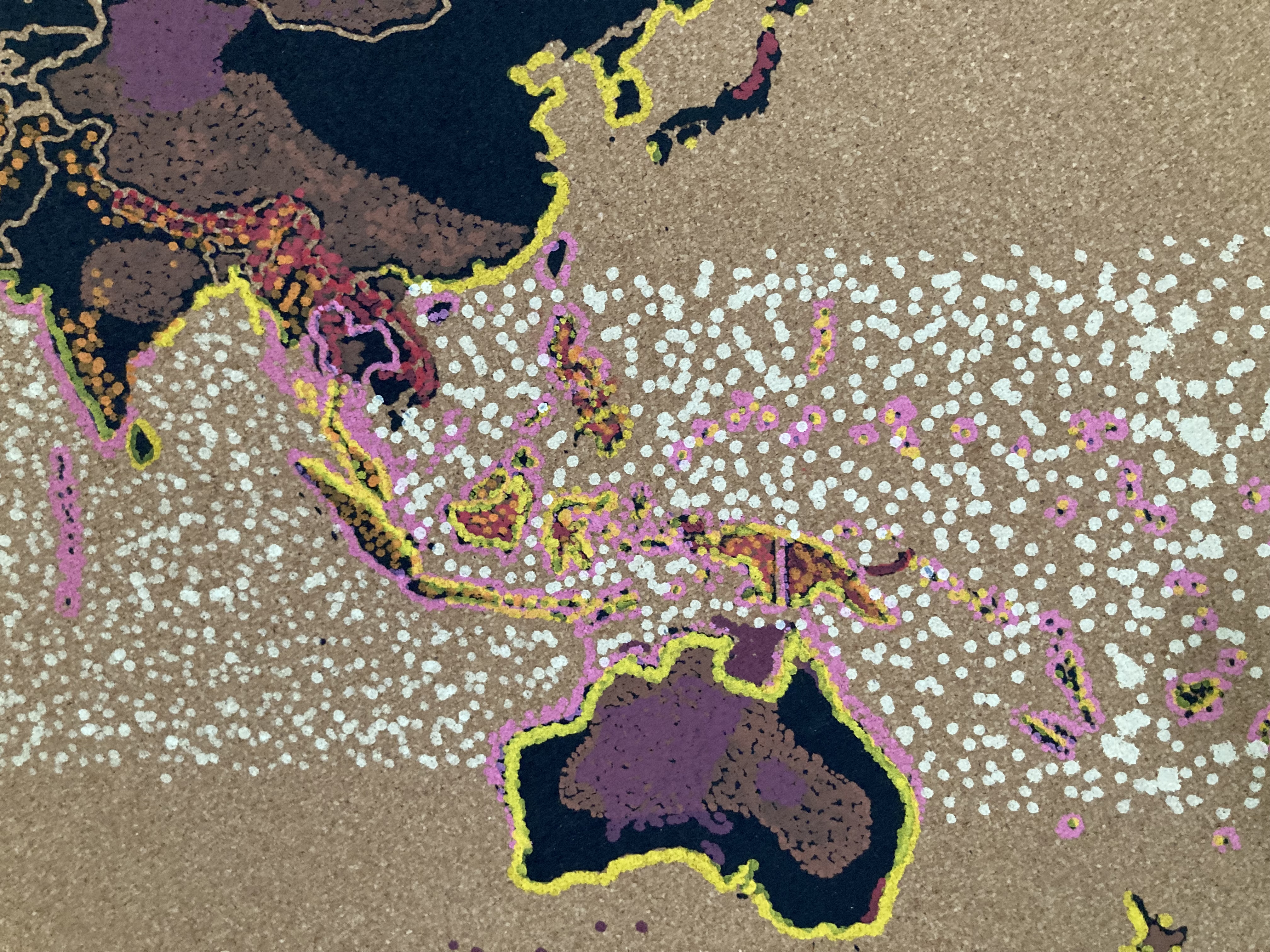
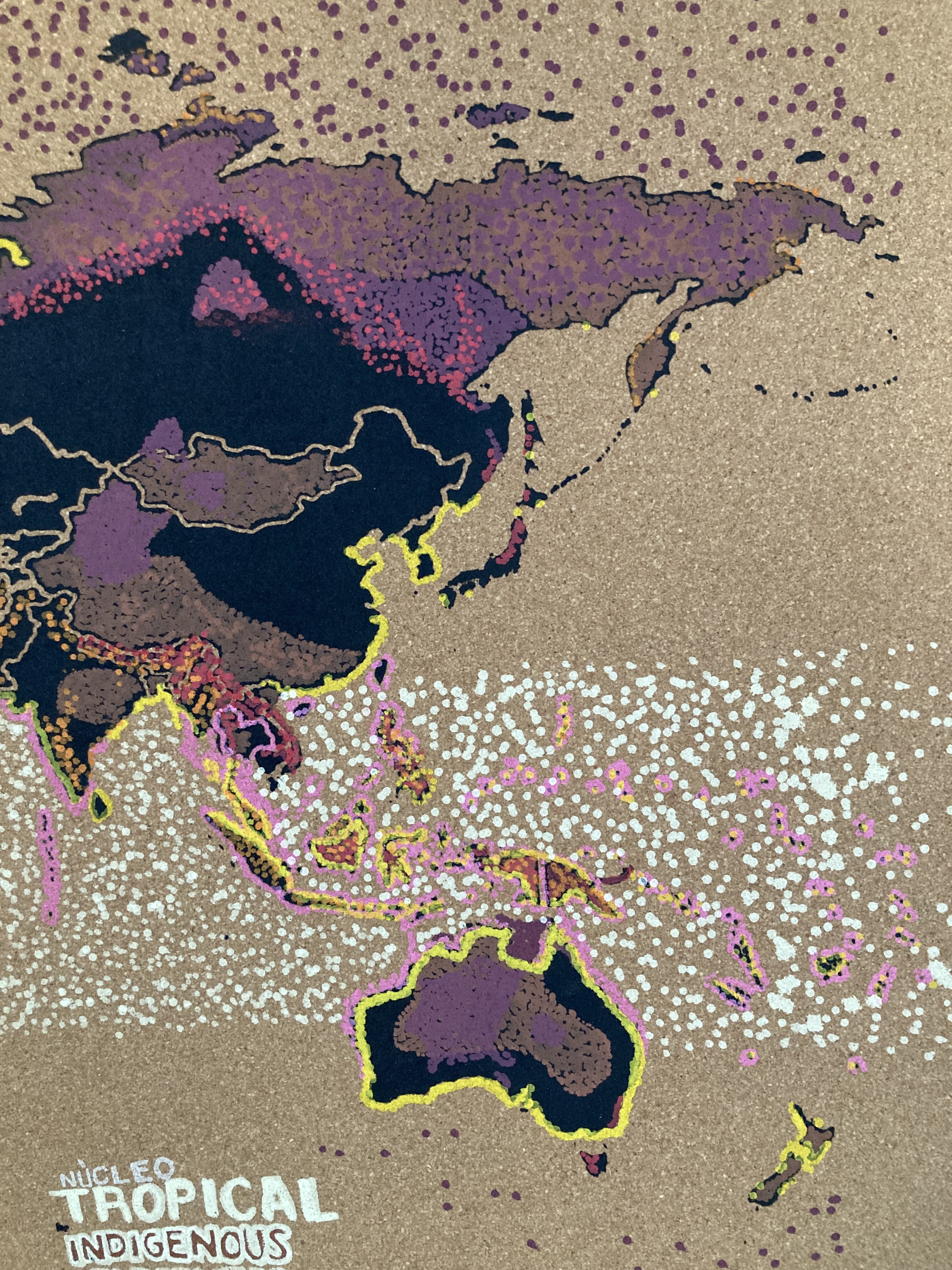
Here’s a clear, science-grounded explanation of why the tropical core of Earth — the band of ecosystems roughly between the Tropic of Cancer and the Tropic of Capricorn — is essential to the planetary metabolism (in ecological and biogeochemical terms):
🌍 The Tropical Core: Earth’s Metabolic Heartbeat The tropics are more than a geographic label — they are a metabolic engine that drives global flows of energy, water, carbon, and life itself. 🌿 1. Extreme Productivity and Biogeochemical Flux
The tropics — especially tropical rainforests and wet savannas — are among the most biologically productive places on Earth. They account for a disproportionate share of net primary production (the conversion of solar energy into plant biomass), meaning they capture huge amounts of carbon from the atmosphere and cycle it through living systems. In fact, tropical forests alone are estimated to contribute about one-third of the total metabolic activity of Earth’s land surface.
This productivity feeds global biogeochemical cycles. Plants in the tropics take up carbon dioxide (CO₂) through photosynthesis and, through respiration and decomposition, release nutrients back into soils and the atmosphere, fueling diverse ecosystems and feeding nutrient cycles that extend well beyond the tropics themselves. ☁️ 2. Climate Regulator — Heat, Moisture, and Atmospheric Dynamics
Tropical regions play a central role in global climate processes:
Their intense sunlight and warm temperatures drive vigorous evapotranspiration (water loss from soil and plants), which supplies atmospheric moisture that helps sustain rainfall patterns regionally and even across continents.
Deep convection over the moist tropics drives large‐scale heat redistribution — helping to balance Earth’s energy budget and influencing global temperature gradients.
This means the tropics are not just responding to climate; they help regulate weather and climate patterns worldwide. They are like the planetary “heat engine” — converting solar energy into atmospheric motion and moisture that shapes global circulation systems. 🦋 3. Biodiversity Engines and Evolutionary Flux
One hallmark of the tropical core is exceptional biodiversity. The tropics host an outsized share of Earth’s species — from plants to insects to vertebrates — because warm, stable climates and productive ecosystems support high rates of diversification and ecological specialization.
High biodiversity amplifies ecosystem resilience and metabolic complexity: more species means more ways to cycle nutrients, decompose organic matter, and transform energy. These complex webs of interactions enhance the stability and adaptability of Earth’s system as a whole. 🌀 4. Carbon Storage and Global Carbon Balance
Tropical forests are gigantic reservoirs of carbon: they store vast amounts in living biomass and soils and continue to absorb CO₂ each year, helping to moderate the pace of climate change.
Because tropical ecosystems turn over carbon faster than cooler systems (with carbon cycling back to the atmosphere much more quickly than in boreal or temperate zones), they are dynamic participants in the carbon cycle — rapidly linking living systems with atmospheric composition. 🌦️ 5. Hydrological Heartbeat of the Planet
The tropics are also central to Earth’s hydrological cycle. Massive evapotranspiration and convection in tropical forests and wetlands help generate rainfall not only locally but also in distant regions via atmospheric circulation. These moisture flows are key to sustaining rivers, aquifers, and precipitation patterns critical for ecosystems and human societies far from the equator. 🌱 Why It Matters in the Context of Planetary Metabolism
If we view Earth as a living metabolic system, the tropics are like the heart and lungs of that organism:
They capture energy and matter at high rates.
They help redistribute heat and water globally.
They support deep biological diversity that stabilizes and enriches metabolic networks.
They are hubs for the fastest and most intense cycling of carbon, water, nutrients, and energy anywhere on the planet.
In this metabolic analogy, damage to the tropics — through deforestation, climate change, or biodiversity loss — is like impairing the heart of a living creature: it weakens the entire system’s ability to maintain balance and health. 🌟 Summary
The tropical core is important because it: ✅ Drives a large portion of Earth’s biological productivity and carbon cycling. ✅ Controls climate and atmospheric moisture patterns through heat and water fluxes. ✅ Houses exceptional biodiversity that sustains ecosystem complexity. ✅ Acts as a major storage and transformation hub in global nutrient and energy cycles.
In planetary metabolism terms, the tropics are a keystone zone — without them, the flow of energy and matter that sustains life on Earth would be fundamentally disrupted.








 vibriofischeri
Here’s a clear, science-grounded explanation of why the tropical core of Earth — the band of ecosystems roughly between the Tropic of Cancer and the Tropic of Capricorn — is essential to the planetary metabolism (in ecological and biogeochemical terms):
🌍 The Tropical Core: Earth’s Metabolic Heartbeat
The tropics are more than a geographic label — they are a metabolic engine that drives global flows of energy, water, carbon, and life itself. 🌿 1. Extreme Productivity and Biogeochemical Flux
The tropics — especially tropical rainforests and wet savannas — are among the most biologically productive places on Earth. They account for a disproportionate share of net primary production (the conversion of solar energy into plant biomass), meaning they capture huge amounts of carbon from the atmosphere and cycle it through living systems. In fact, tropical forests alone are estimated to contribute about one-third of the total metabolic activity of Earth’s land surface.
This productivity feeds global biogeochemical cycles. Plants in the tropics take up carbon dioxide (CO₂) through photosynthesis and, through respiration and decomposition, release nutrients back into soils and the atmosphere, fueling diverse ecosystems and feeding nutrient cycles that extend well beyond the tropics themselves. ☁️ 2. Climate Regulator — Heat, Moisture, and Atmospheric Dynamics
Tropical regions play a central role in global climate processes:
This means the tropics are not just responding to climate; they help regulate weather and climate patterns worldwide. They are like the planetary “heat engine” — converting solar energy into atmospheric motion and moisture that shapes global circulation systems. 🦋 3. Biodiversity Engines and Evolutionary Flux
One hallmark of the tropical core is exceptional biodiversity. The tropics host an outsized share of Earth’s species — from plants to insects to vertebrates — because warm, stable climates and productive ecosystems support high rates of diversification and ecological specialization.
High biodiversity amplifies ecosystem resilience and metabolic complexity: more species means more ways to cycle nutrients, decompose organic matter, and transform energy. These complex webs of interactions enhance the stability and adaptability of Earth’s system as a whole. 🌀 4. Carbon Storage and Global Carbon Balance
Tropical forests are gigantic reservoirs of carbon: they store vast amounts in living biomass and soils and continue to absorb CO₂ each year, helping to moderate the pace of climate change.
Because tropical ecosystems turn over carbon faster than cooler systems (with carbon cycling back to the atmosphere much more quickly than in boreal or temperate zones), they are dynamic participants in the carbon cycle — rapidly linking living systems with atmospheric composition. 🌦️ 5. Hydrological Heartbeat of the Planet
The tropics are also central to Earth’s hydrological cycle. Massive evapotranspiration and convection in tropical forests and wetlands help generate rainfall not only locally but also in distant regions via atmospheric circulation. These moisture flows are key to sustaining rivers, aquifers, and precipitation patterns critical for ecosystems and human societies far from the equator. 🌱 Why It Matters in the Context of Planetary Metabolism
If we view Earth as a living metabolic system, the tropics are like the heart and lungs of that organism:
In this metabolic analogy, damage to the tropics — through deforestation, climate change, or biodiversity loss — is like impairing the heart of a living creature: it weakens the entire system’s ability to maintain balance and health. 🌟 Summary
The tropical core is important because it:
✅ Drives a large portion of Earth’s biological productivity and carbon cycling.
✅ Controls climate and atmospheric moisture patterns through heat and water fluxes.
✅ Houses exceptional biodiversity that sustains ecosystem complexity.
✅ Acts as a major storage and transformation hub in global nutrient and energy cycles.
In planetary metabolism terms, the tropics are a keystone zone — without them, the flow of energy and matter that sustains life on Earth would be fundamentally disrupted.